salakhalimun.com – The first thing you notice in Mount Salak Halimun is not the trees, not the trails, and not even the mountains themselves. It is the weather. The air arrives before the view. Cool, damp, and heavy with forest breath, it settles on your skin as if the rainforest is welcoming you in its own quiet way. Here, weather is not an obstacle to adventure. It is the beginning of it.
In Salak Halimun, the sky, the mist, the rain, and the shifting light shape every step you take. The forest changes mood with every passing cloud. Trails soften, leaves glisten, cicadas grow louder, and rivers speak more clearly after rain. To walk here is to walk inside a living system where weather guides rhythm, pace, and awareness.
The Rainforest Does Not Separate Weather From Experience
In many destinations, weather is something travelers check before they go. In Mount Salak Halimun, weather is something you walk with. The rainforest does not pause for sunshine, nor does it retreat during rain. Instead, it reveals different layers of itself depending on the conditions.
Morning mist clings to the canopy like a soft veil. Sunlight filters through leaves in narrow beams, illuminating moss-covered trunks and fern-lined paths. When rain arrives, it does not fall suddenly. It builds slowly. The air thickens. The forest grows quieter. Then water begins its steady conversation with leaves, soil, and stone.
Each condition brings a different sensory experience. The smell of wet earth. The sound of distant thunder rolling beyond ridgelines. The gentle pull of mud beneath your boots. This is why weather here is not a background detail. It is part of the story.
Misty Mornings and the Art of Slow Walking
Mornings in Salak Halimun often begin with mist. Thick, drifting clouds slide between trees, softening outlines and shortening distance. Visibility narrows, and with it, the urge to rush fades.
This is the hour of slow trekking. Guides move deliberately, listening more than speaking. Footsteps are placed carefully on roots slick with moisture. The forest feels intimate, as if it is inviting you closer rather than showing itself all at once.
Mist also brings wildlife activity. Birds call from unseen branches. Insects hum beneath broad leaves. The forest feels awake but private, offering glimpses instead of spectacles. Those who embrace these mornings often remember them more vividly than clear, panoramic views.
Rain Transforms Trails Into Living Classrooms
Rain is common in Mount Salak Halimun, especially in the afternoon. When it arrives, trails change character. Dry paths become soft. Small streams appear where none existed before. Rocks shine with fresh water, revealing patterns and colors hidden during dry hours.
This transformation teaches awareness. You learn to read the ground. You adjust your pace. You understand why local guides emphasize patience and balance. Rain does not make trekking harder by default. It makes it more mindful.
Water also brings the forest to life. Frogs begin calling. Leaves release stored scents. Rivers swell and speak louder as they move through valleys. Rain connects everything. It reminds you that the rainforest survives because of water, not despite it.
Why Local Guides Respect Rain
Local guides in Salak Halimun do not fear rain. They respect it. They know which trails remain safe, which rivers rise quickly, and when it is time to pause beneath sheltering trees.
This knowledge comes from years of walking the same paths through all seasons. Rain becomes a signal, not a threat. Travelers who follow this mindset often feel more connected and more secure, even during wet conditions.
Sunlight After Rain Reveals the Forests True Colors
When rain passes, the forest exhales. Clouds lift slowly. Light returns in fragments. Sunbeams catch droplets on leaves, turning entire sections of forest into quiet, shimmering scenes.
This is when Salak Halimun feels especially alive. Greens deepen. Tree bark darkens. Butterflies emerge along open paths. The contrast between shadow and light sharpens, creating ideal moments for photography and reflection.
These moments only exist because of rain. Without weather shifts, the forest would feel static. Here, change is constant, and beauty follows movement.
Weather Shapes Waterfalls and Rivers
Waterfalls across Mount Salak Halimun respond directly to weather. After rainfall, cascades grow fuller, louder, and more dramatic. Mist rises from falling water, cooling the surrounding air and nourishing nearby vegetation.
Rivers also change personality. Gentle flows become energetic currents. Clear pools turn reflective under cloud cover. These variations remind visitors that water is the lifeblood of the park.
Understanding weather allows travelers to appreciate these changes rather than be surprised by them. Each visit offers a slightly different version of the same landscape.
Learning to Read the Sky in the Mountains
One of the quiet skills gained in Salak Halimun is learning to read the sky. Clouds build differently here. Winds shift subtly. Temperature drops before rain arrives.
Guides often pause to observe these signs. A glance upward can determine whether to continue, wait, or turn back. This attentiveness builds trust between people and place.
Weather awareness becomes part of responsible trekking. It protects both visitors and the forest itself.
Why Weather Deepens Emotional Connection
Clear skies offer views, but weather offers feeling. Walking through mist or light rain slows the mind. It removes distraction. Sound becomes softer. Thought becomes quieter.
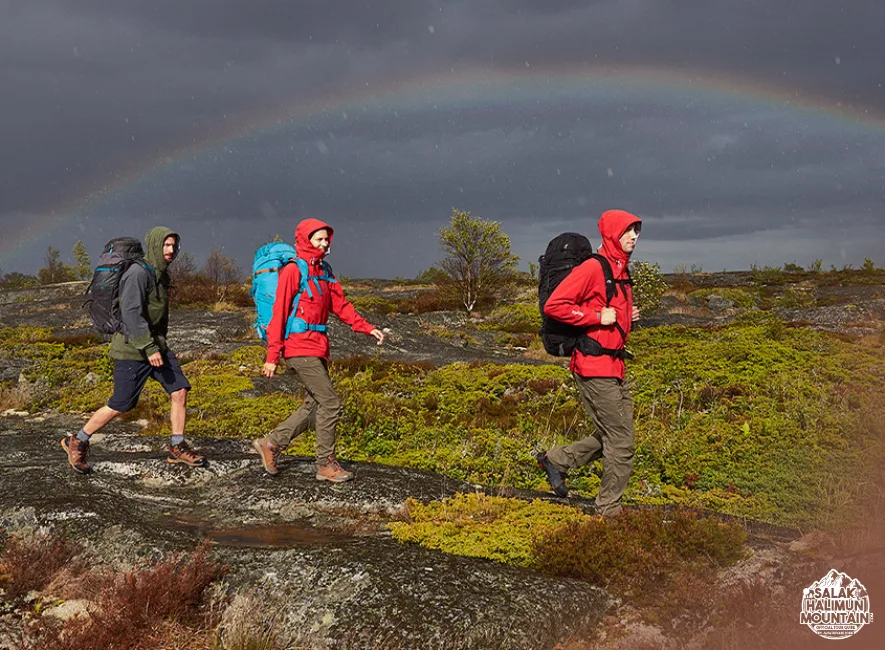
Many visitors describe emotional moments during weather shifts. A sudden clearing. A rainbow above treetops. The silence after rainfall. These experiences stay with people long after the journey ends.
Weather turns trekking into memory.
Responsible Trekking in Changing Conditions
Respecting weather also means respecting the forest. Trails are used carefully during heavy rain to prevent erosion. Wildlife is given space during sensitive conditions. Groups move smaller and slower.
Responsible trekking is not about avoiding discomfort. It is about understanding impact. Weather teaches humility. It reminds us that we are guests in a powerful ecosystem.
Why Weather Is Not a Problem to Solve
In Mount Salak Halimun, weather is not something to control or defeat. It is something to accompany. Each condition offers a different lesson, a different beauty, and a different pace.
Those who accept this discover a deeper adventure. One shaped by listening, adapting, and observing rather than conquering.
The rainforest does not ask for perfect weather. It asks for presence.
So, if you’re ready to explore the wonders of Mount Salak Halimun, head over to our ONLINE BOOKING PAGE and let’s start planning your adventure.
Or simply CLICK THIS LINK to chat with us on WhatsApp.
With our team, you’re not just getting a guide; you’re gaining a local friend who will ensure your trip is nothing short of extraordinary.